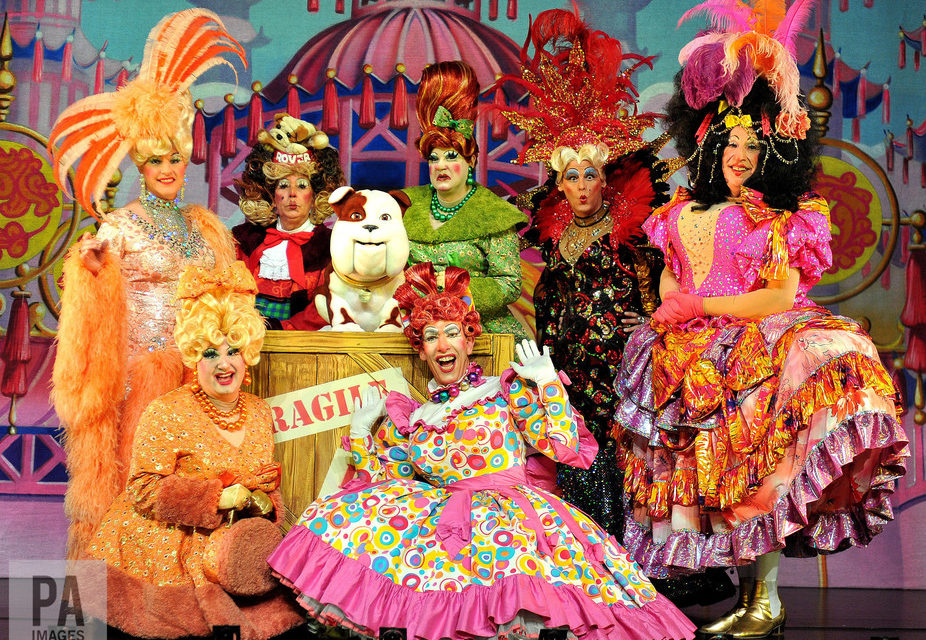
A theatre packed with people of all ages shouting “She’s behind you!”, a man dressed as a woman throwing sweets, and laughter, loads of it. To an outsider, the British Pantomime looks like an eccentric fever dream. However, this beloved Christmas tradition is no modern accident. How on earth did this become one of England’s most cherished holiday traditions? Today we’ll be exploring the history behind British Pantomime.
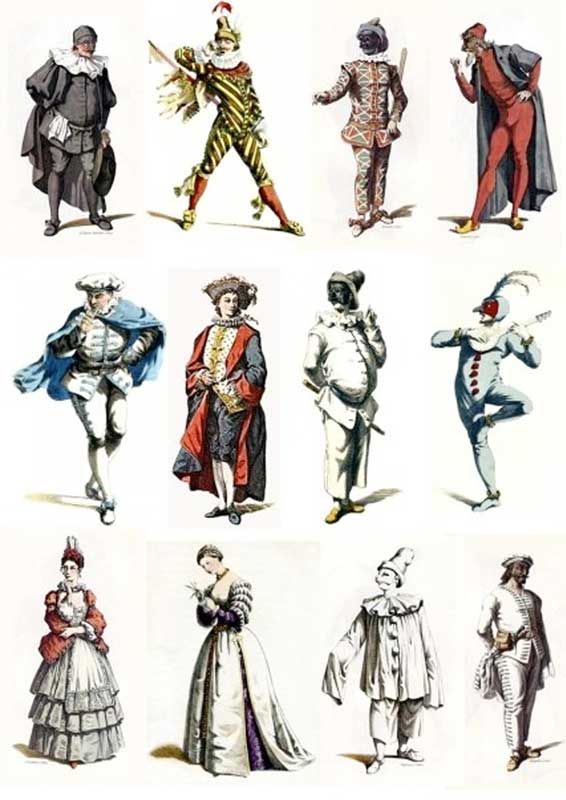
As you know, Networks Theatre has brought many of the classic Pantos on stage during the last 26 years, but where did it all start? To find the beginning of it all, we have to go back to 16th century Italy, where a new genre of show featuring songs, dances, jokes and many mischievous characters appear. It was called “Comedia dell’Arte”, starring the famous Harlequin who, alongside other witty characters, recreated classical tales.
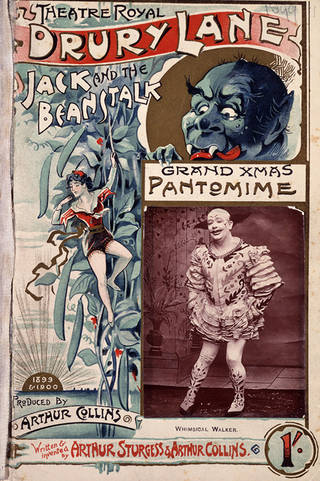
These sorts of shows travelled around Europe until making their way to London and, by the end of the 18th century, Harlequin had become the star of the newly named (at the time) pantomime. However, at this point in time in London, official “patent theatres” held a legal monopoly on spoken drama. Unlicensed venues, desperate to perform without breaking the law, turned to mime and dance to bypass censorship.
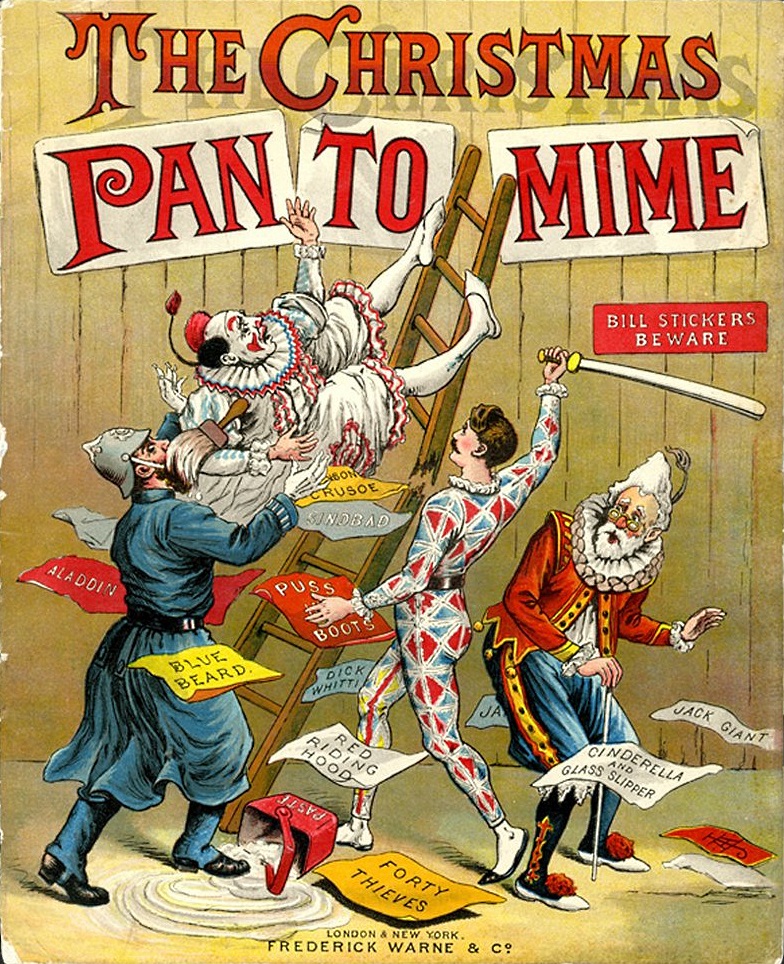
They all knew at the time that panto would highly benefit from dialogue, and at the end of the 18th century David Garrick shocked audiences by introducing a speaking Harlequin. This moment also marked the beginning of the introduction of local English folklore, such as Dick Whittington and Robin Hood, replacing ancient classical myths with domestic stories.
The 19th century brought major shifts that codified pantomime into the family holiday show known today. When Parliament passed the Theatres Act of 1843, spoken dialogue restrictions were lifted for all non-patent theatres. Liberated from silent mime, pantomime exploded with tongue-twisters, pun-filled wordplay, double entendres, and direct audience participation. Pantomimes grew into massive budget productions.
Though the silent Harlequinade has faded into history, the core engine of British Pantomime remains unchanged. It continuously updates its pop-culture jokes and celebrity cameos while strictly honouring its centuries-old traditions. Above all, Panto still exists because of its role as a cultural gateway. For millions of children, shouting at a stage villain is their very first experience with live theatre, keeping a 400 year old tradition alive.